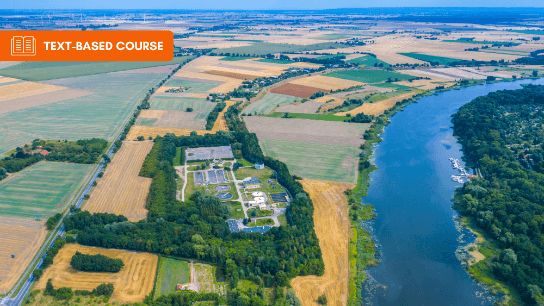
This online engineering PDH course describes how local governments can improve the energy efficiency of their water and wastewater facilities.

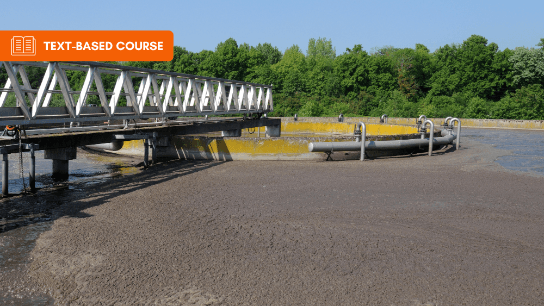
The 1972 legislation known as the Clean Water Act set secondary treatment as the required level of treatment to be provided by domestic wastewater treatment plants in the United States.

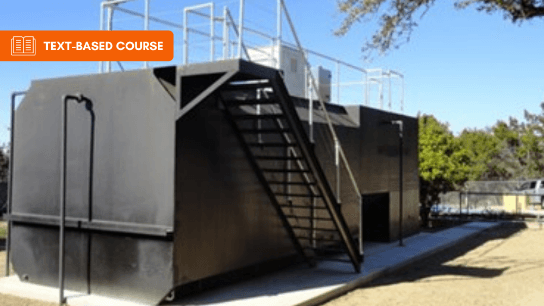
This course provides information about three types of package plants, extended aeration, sequencing batch reactor and oxidation ditch systems.
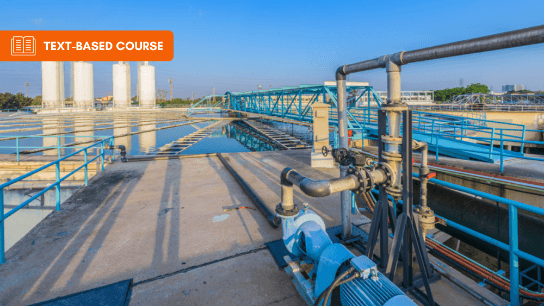
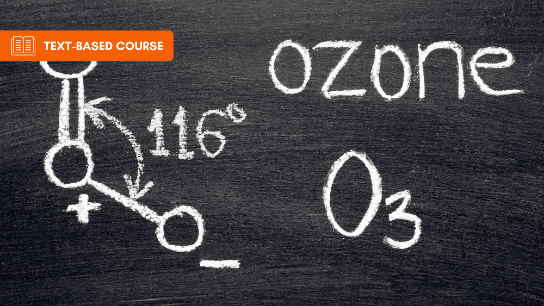
Addition of hydrogen peroxide to ozonated water increases the rate of ozone decomposition and generates hydroxyl free radicals in what is known as the peroxone advanced oxidation process.
Try LearnFormula Business and buy packages or courses at a discounted group (multi-license) rate.

Potassium permanganate (KMnO4) is used primarily to control taste and odors, remove color, control biological growth in treatment plants, and remove iron and manganese.
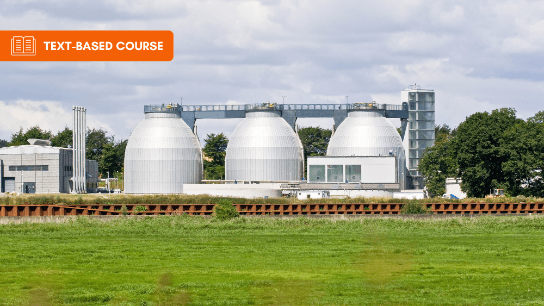
This online engineering PDH course describes the technical and economic potential for introducing combined heat and power (CHP) systems to wastewater treatment facilities (WWTFs).
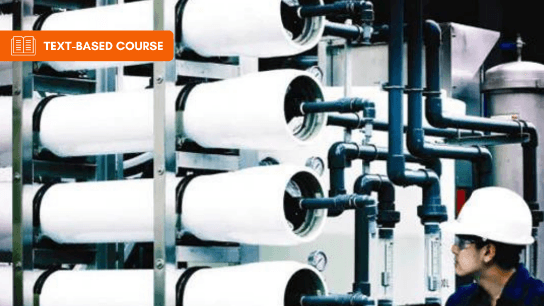
The MBR process uses an aeration tank similar to those used in conventional activated sludge processes, combined with membrane filtration as a replacement for secondary sedimentation.
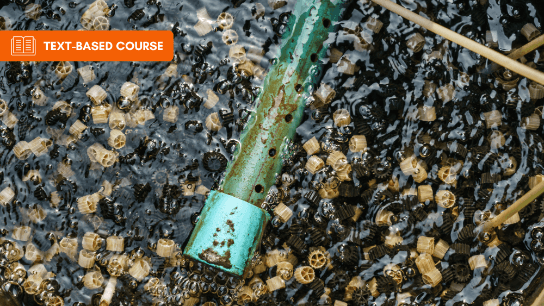
The MBBR (moving bed biofilm reactor) process is an attached growth process that uses plastic carriers to provide a surface on which biofilm grows.
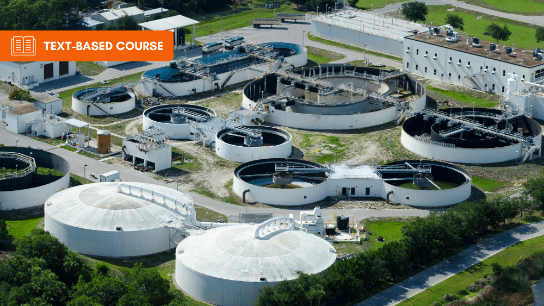
This course is based on a primer which contains various water quality contaminant fact sheets and related fact sheets containing supporting information.
This course is based on a EPA basic guidance manual on common disinfectants and oxidants.